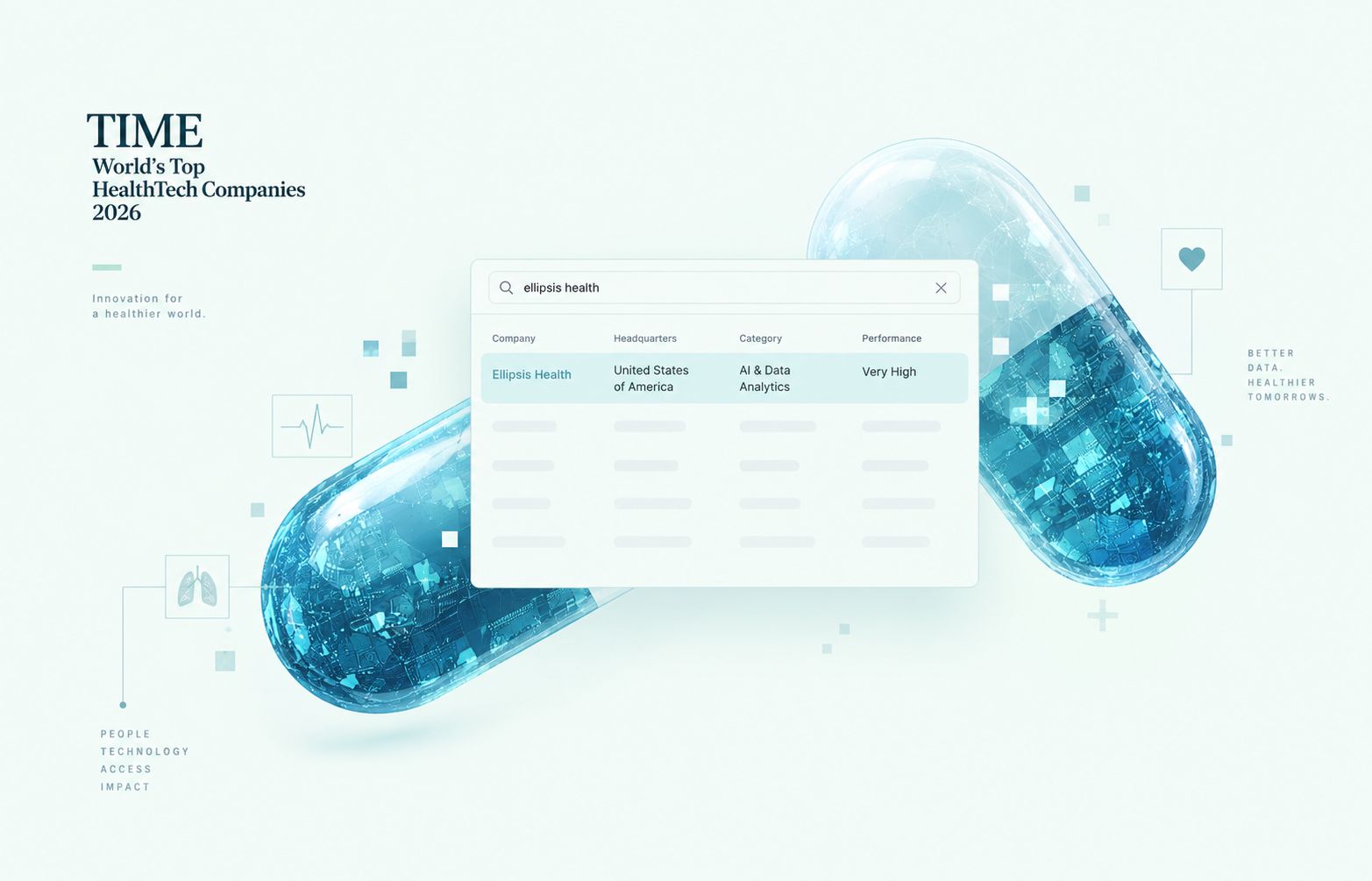
Ellipsis Health, Backed by Khosla Ventures and Salesforce, Makes TIME’s 2026 HealthTech List
Ellipsis Health, a San Francisco-based company founded in 2017, is among 500 companies featured in this year’s ranking.


Shikho and Walpad have partnered to build EduTab, a new learning-focused tablet developed in Bangladesh and priced to be more accessible for students and families. The device brings together Walpad’s hardware engineering and Shikho’s deep understanding of local learning patterns and teacher needs to build world-class hyper-localised software and content.
EduTab works like a standard Android tablet with full access to the app store, but it ships with Shikho’s platform integrated at the system level. Curriculum-aligned lessons, practice tools, live classes and AI support are optimized for the device, giving students a structured academic experience when needed while still functioning as an everyday personal tablet.
The companies say the design reflects years of studying how Bangladeshi students and teachers actually use digital tools. Insights about attention patterns, friction points, connectivity challenges and classroom workflows influenced choices around performance, battery life, interface simplicity and content delivery. The goal was to reduce the common gap between tablet hardware and real learning needs.
For parents and teachers, EduTab also responds to a growing concern: tablets are often seen primarily as entertainment devices dominated by short videos and social media. EduTab tries to shift that perception by making high-quality academic content easy to access, easy to navigate and consistently placed at the center of the experience. The intention is to make a digital device feel more like a learning companion rather than a distraction.
Globally, initiatives such as Japan’s GIGA School program, which provides one device per student, show how dedicated learning tablets can support digital education when hardware and software are aligned. EduTab fits within that trend but with a hyperlocal software layer built specifically for Bangladesh’s curriculum and learning environment.
EduTab is positioned for use across home learning, coaching centers and classrooms. If the model scales, it could offer a blueprint for building education technology around local software expertise, with hardware designed to support the specific learning behaviors of Bangladeshi students.
.png)










.jpg)





.jpg)

.png)




















.jpg)
.jpg)


.jpeg)


.jpg)


.jpg)


.jpg)
.jpg)

.jpg)
.jpg)