Bangladesh Startup Ecosystem: Policy Momentum Builds as H1 2026 Funding Concentrates in Early Stage
Insight
Created:
August 10, 2026
Updated:
August 17, 2026
Subscribe to our Newsletter
Thank you! Your submission has been received!
Oops! Something went wrong while submitting the form.
Introduction/Overview
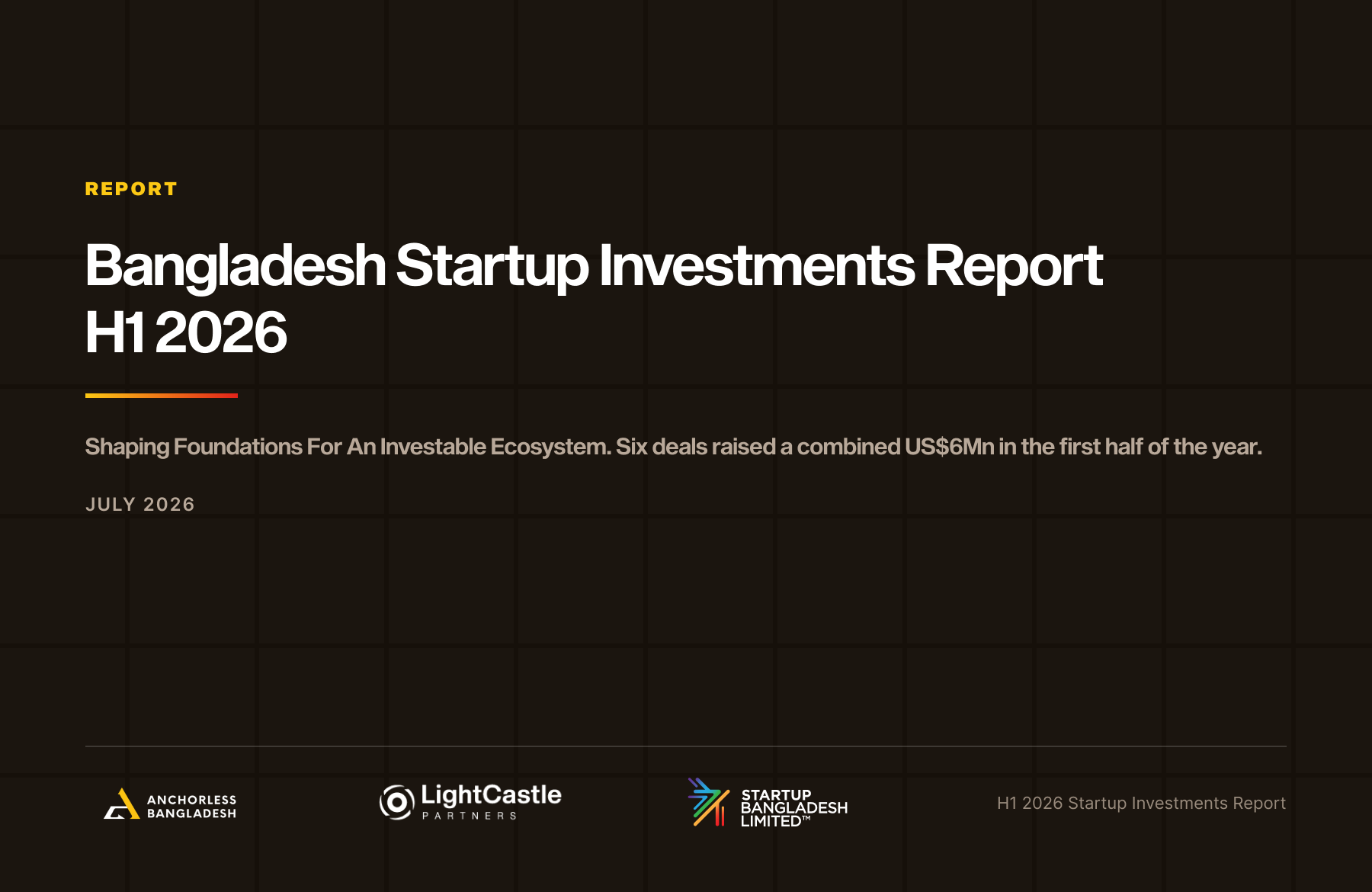
In the first half of 2026, Bangladesh’s startup ecosystem recorded US$6 million in funding across six transactions. This performance marks a period of strategic recalibration following the exceptionally concentrated investment activity of the previous year. Bangladesh's macroeconomic resilience remains a foundational strength, with GDP per capita reaching US$2,800 and steady real GDP growth projected at approximately 5% for 2026. This positive macro trajectory provides a stable base as the ecosystem transitions toward more disciplined capital allocation and foundational growth.
Current Market Conditions & Trends
In the first half of 2026, total funding reached US$6 million, compared to US$120 million during the same period in 2025. It is important to note that the prior-year figure was significantly influenced by a single landmark transaction—SILQ's US$110 million M&A deal, which represented approximately 92% of that total. Consequently, the year-on-year comparison highlights a transition toward a more diversified investment base rather than a broad market contraction. Startup investment relative to GDP stood at 0.03% in 2025, while investment per capita in H1 2026 was US$0.03. For regional context, these figures align with emerging market trajectories, while benchmarks such as India (US$10), China (US$21), Pakistan (US$0.23), and Singapore (US$1,416) illustrate the significant growth ceiling available for the ecosystem.
Set against the immediate prior half, however, the picture shows early signs of improvement. Total funding rose 51% from H2 2025, an encouraging signal of stabilization after a difficult stretch. Capital remained concentrated: the three largest deals accounted for roughly 80% of total funding, and the average ticket size held near US$1Mn. Venture capital remained the leading investor type, contributing US$4Mn, or 66% of funding, with that share at 98% a year earlier; impact investors, grant and non-equity funders, and accelerators or incubators contributed a combined 34% in H1 2026. Global investors provided the entirety of capital deployed in the half.
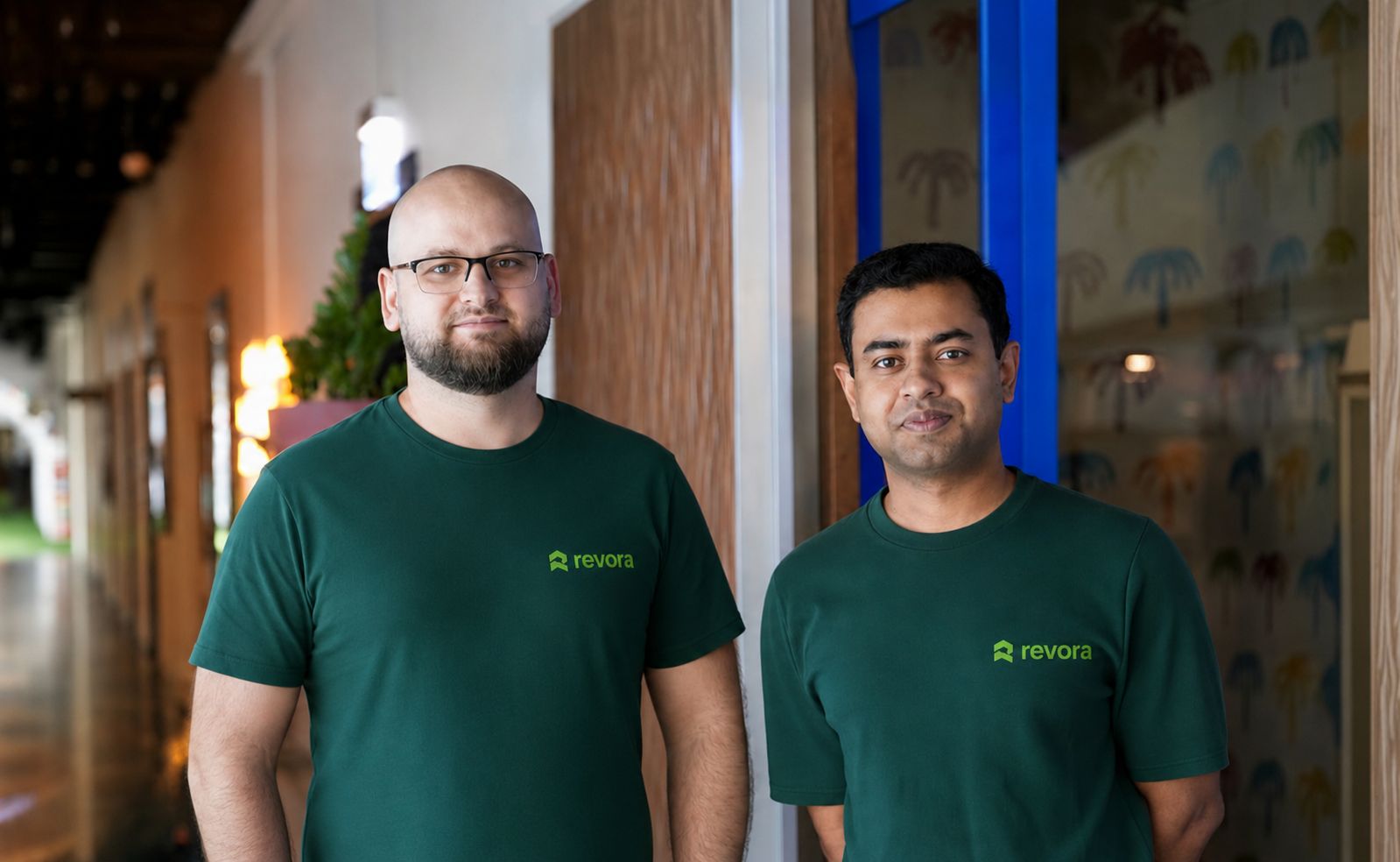
The sector mix also shifted. Financial Services, which accounted for 92% of H1 2025 funding on the back of a single US$110Mn M&A deal involving SILQ, fell to 29% of the total in H1 2026. Software & Technology took the top spot instead, raising US$2.1Mn (35% of total investment) through two deals by Revora spanning a Seed round and grant funding. Financial Services followed with US$1.7Mn, driven by iFarmer's Seed round and grant funding, and Healthcare ranked third at US$1.6Mn (26%). Logistics & Mobility, absent from the funding mix in H1 2024, re-emerged with US$600K (10%).
By stage, early-stage rounds—grant, Pre-Seed, Seed, and Pre-Series A—accounted for US$5.5Mn, or 90% of total funding. Late-stage capital consisted of a single Series A deal worth US$625K; late-stage rounds, anchored by the SILQ transaction, made up 96% of funding in H1 2025.
Global venture investment hit a record US$510Bn in H1 2026—more than double the US$260Bn raised in H1 2025—as Asia's venture funding rose 165% year-on-year to US$70Bn, powered by AI deals concentrated in China, India, and Singapore.
Opportunities
Two developments this half point toward a more durable financing base. The first is the Bangladesh Startup Investment Company (BSIC), the country's first institutionally governed venture capital vehicle, launched with an initial commitment of US$35Mn under its ONKUR Fund I. BSIC deploys alongside global VCs at the growth stage through a matched co-investment model, governed by a four-body structure spanning an investment team, a global investment committee, an advisory committee, and the banking sector's board of managing directors. It is funded by 39 shareholder banks, each committing 1% of net profits annually, building a permanent capital base rather than a one-time fund. BSIC's stated ambition is to catalyze US$500Mn in third-party capital and create 15,000 indirect jobs across its portfolio over a ten-year horizon, with a projected 40x economic multiplier on deployed capital.
The second is the FY2026-27 national budget, which bundles several measures aimed at startup financing. These include a zero percent turnover tax and a 15% VAT exemption on essential operating inputs such as SaaS, cloud infrastructure, and office rent, guaranteed until 2035 for qualifying startups. The package also channels a US$41Mn Startup Fund through the ICT Division, targeting women, youth, and new tech ventures, alongside a planned expansion of the existing Startup Bangladesh Limited fund from roughly US$57Mn to about US$82Mn. Separately, Bangladesh Bank's Startup Finance Master Circular caps startup lending rates at 4% through a roughly US$41Mn refinancing facility, and a new Share Swap Circular allows offshore-free structuring, letting shareholders swap shares for holding-company equity without moving capital abroad.
Challenges
This pattern predates H '1 2026. Since 2015, late-stage deals have made up just 16% of the 454 startup transactions recorded in Bangladesh, yet they account for 80% of the US$1.1Bn in total capital deployed, and 98% of that late-stage capital has come from global investors. Only about 7% of all capital deployed in the country's startup history has originated locally. That imbalance means growth-stage founders have relied heavily on foreign lead investors, so shifts in global risk appetite, as seen in H '1 2026, tend to have a pronounced effect on total funding. The absence of domestic capital in H '1 2026's US$6Mn, despite the launch of BSIC, is a reminder that institutional mechanisms take time to translate into deployed capital.
Way Forward
Translating this half's policy momentum into sustained investment activity will depend on execution across four fronts:
Policy implementation: The FY2026-27 budget and BSIC's launch strengthen the financing framework; their effect on deal flow will hinge on timely implementation, coordinated regulatory guidance, and clear eligibility criteria for qualifying startups.
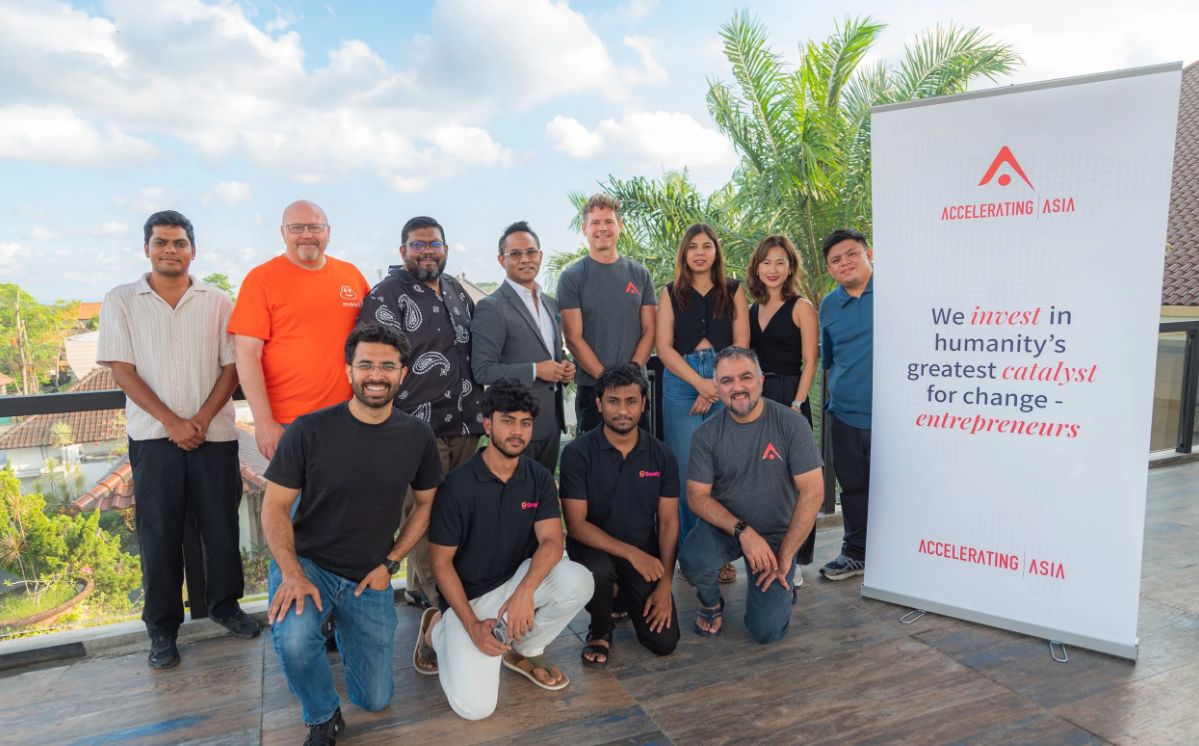
Pipeline development: Continued collaboration among accelerators, investors, and ecosystem partners—the kind of structured founder development that has already placed 19 Bangladeshi startups into programs such as Accelerating Asia—can help build a larger pipeline of investment-ready companies with regional exposure.
Domestic capital participation: Financial institutions will need to adopt startup-specific assessment frameworks that weigh innovation and scalability alongside conventional lending criteria if domestic capital is to play a larger role in the periods ahead.
Adapted from LightCastle Partner’s Bangladesh Startup Investments Report H1 2026.
Lorem ipsum dolor sit amet, consectetur adipiscing elit, sed do eiusmod tempor incididunt ut labore et dolore magna aliqua. Ut enim ad minim veniam, quis nostrud exercitation ullamco laboris nisi ut aliquip ex ea commodo consequat. Duis aute irure dolor in reprehenderit in voluptate velit esse cillum dolore eu fugiat nulla pariatur.
Lorem ipsum dolor sit amet, consectetur adipiscing elit, sed do eiusmod tempor incididunt ut labore et dolore magna aliqua. Ut enim ad minim veniam, quis nostrud exercitation ullamco laboris nisi ut aliquip ex ea commodo consequat. Duis aute irure dolor in reprehenderit in voluptate velit esse cillum dolore eu fugiat nulla pariatur.
The Vision Pro’s FaceTime leverages spatial computing and spatial audio to create a virtual meeting space. FaceTime life-sized video tiles make the experience more immersive. You can also use other collaboration apps and simultaneously work with the team on the same documents. The Vision Pro headgear seamlessly blends digital content with the real-world environment to create an immersive experience.
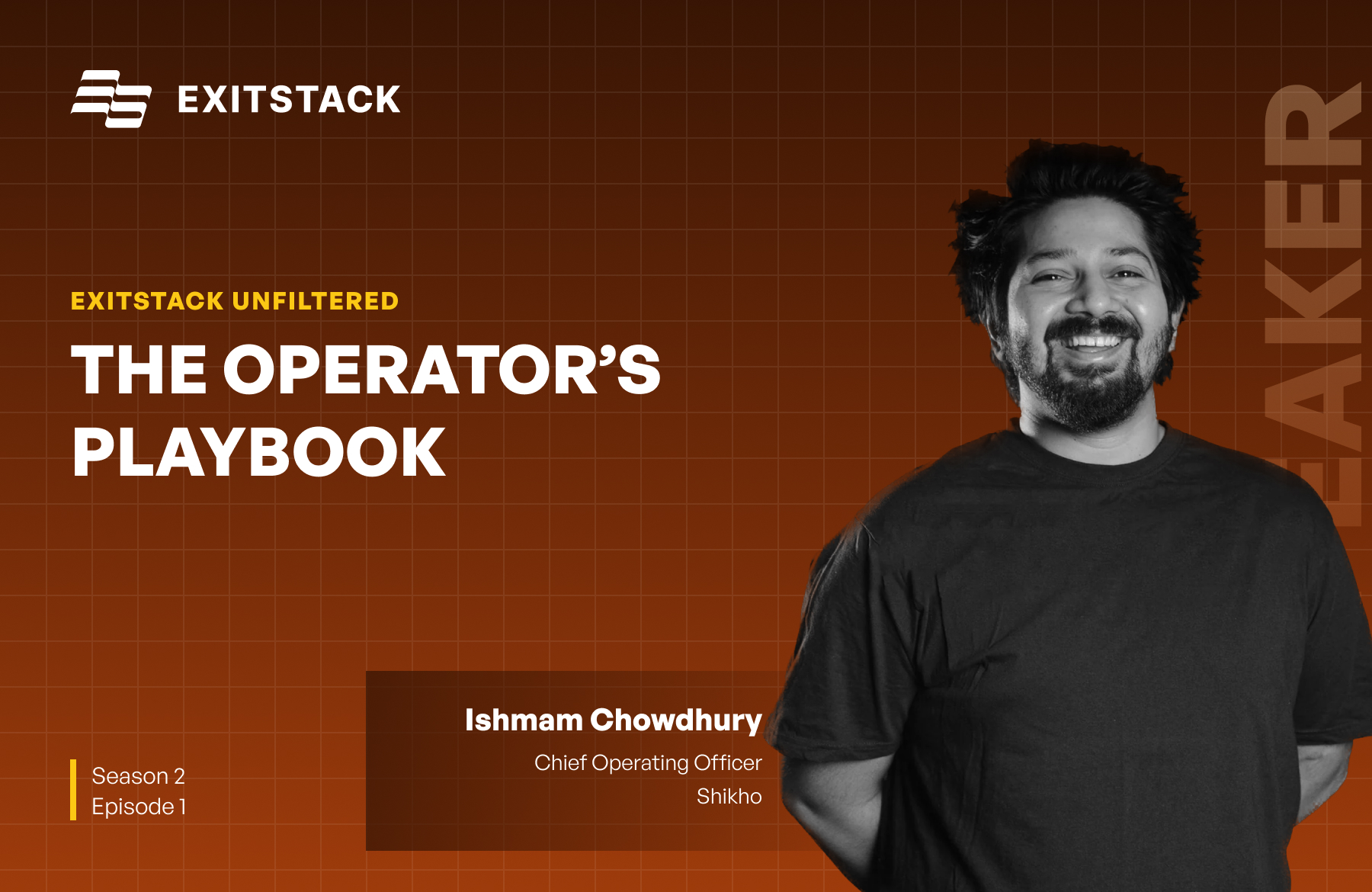
On the first episode of ExitStack Unfiltered Season 02, Shikho COO Ishmam Chowdhury discusses automation, AI-first adoption, keeping a growing team aligned, and why operators should measure everything.
Apple completed its acquisition of Sonera Magnetics, co-founded by BUET graduate and UC Berkeley professor Sayeef Salahuddin, in May 2026. The startup built compact sensors that detect magnetic signals from the brain, nerves, and muscles.
Startup Bangladesh has launched a US$33Mn Fund of Funds to channel public capital through professional venture fund managers. Here's what it means for founders, fund managers, and investors.




.png)





.jpg)




.jpg)

.png)














.jpg)
.jpg)


.jpeg)


.jpg)


.jpg)


.jpg)
.jpg)

.jpg)
.jpg)