Ellipsis Health, Backed by Khosla Ventures and Salesforce, Makes TIME’s 2026 HealthTech List
Ellipsis Health, a San Francisco-based company founded in 2017, is among 500 companies featured in this year’s ranking.



In the early hours of July 4, 2026, a reactor core at Idaho National Laboratory (INL) reached criticality for the first time. The reactor was the Aalo-X Critical Test Reactor, built by Austin-based Aalo Atomics. Criticality is the point at which a nuclear chain reaction sustains itself: each uranium atom that splits releases neutrons that split other atoms, keeping the reaction going at a steady rate. The company says it took less than eight months from groundbreaking to criticality.
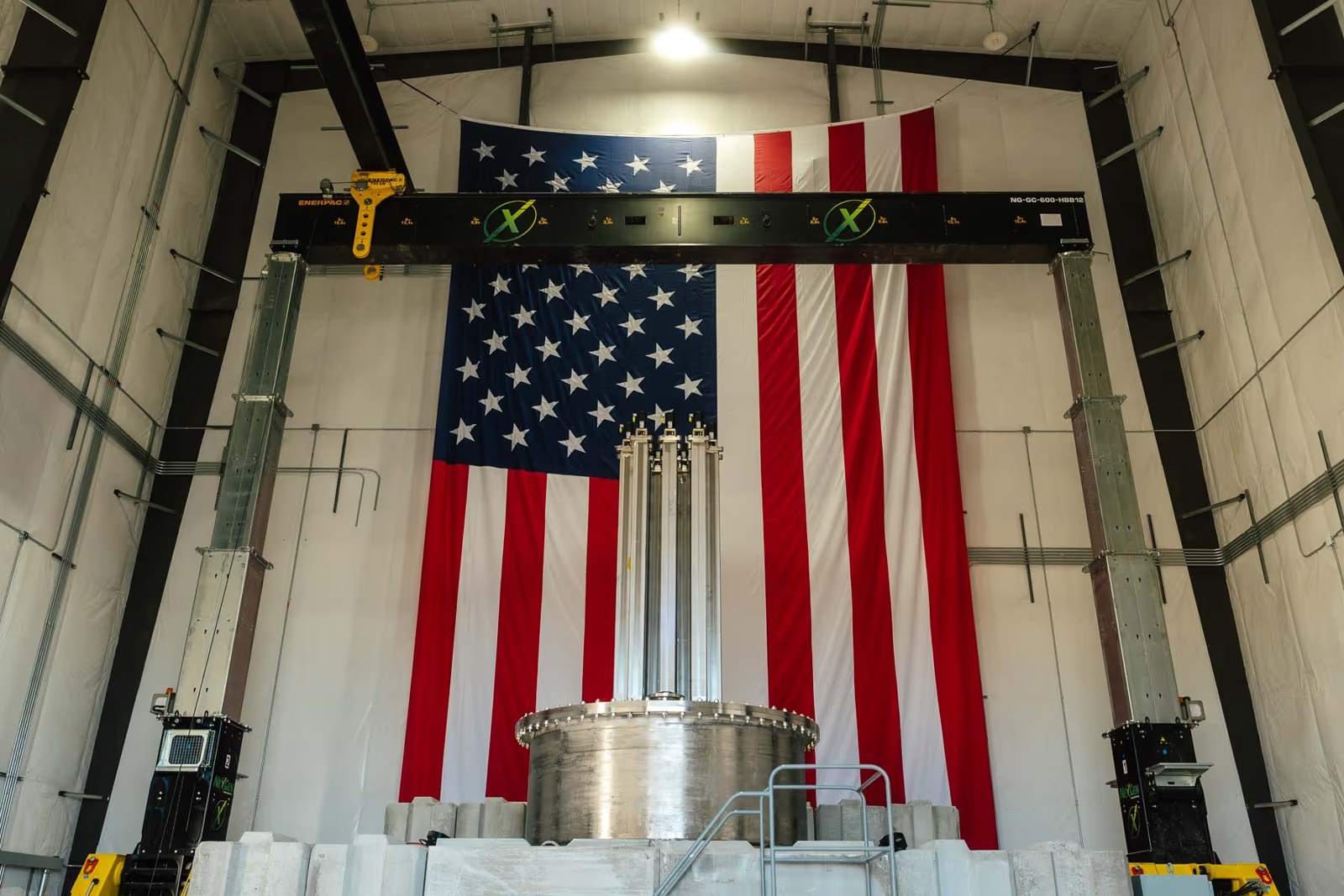
Aalo was the fourth company to reach criticality under the Reactor Pilot Program run by the U.S. Department of Energy (DOE). The program was created under Executive Order 14301, signed in May 2025 to speed up the testing and deployment of advanced reactors. The order said the federal government had “effectively throttled the domestic deployment of advanced reactors, ceding the initiative to foreign nations.” It directed the DOE to approve at least three test reactors, with the goal of each reaching criticality by July 4, 2026, the 250th anniversary of U.S. independence. Antares Nuclear went critical on June 4, Valar Atomics on June 18, and Deployable Energy on June 30.
“We are proud to play a major role in America's nuclear renaissance, going from breaking ground to a sustained chain reaction in just eight months,” said Yasir Arafat, Co-founder, President, and CTO of Aalo Atomics.
Arafat grew up in Bangladesh. Aalo, where he is Co-founder and President, is one of several U.S. startups building small reactors to power AI data centers. According to the company, it has raised more than US$300Mn since 2023.
Aalo was founded by Matt Loszak, its CEO. Loszak studied nuclear engineering and physics and co-founded Humi, a Y Combinator-backed Canadian payroll and HR software company, which he helped build for six years. He then researched clean energy technologies for several months before choosing nuclear. “Being from Ontario, which is mostly nuclear powered, I always knew nuclear power was incredible, but I wasn't sure if it would be possible to build a successful business in it,” he told BetaKit in August 2024. According to Forbes, his childhood asthma eased after Ontario replaced nearby coal plants with nuclear ones.
Aalo was incorporated in 2022 and launched publicly in March 2023, with a plan to build a factory-made 10 MWe microreactor. The name, according to Forbes, is the Bengali word for “the light.”
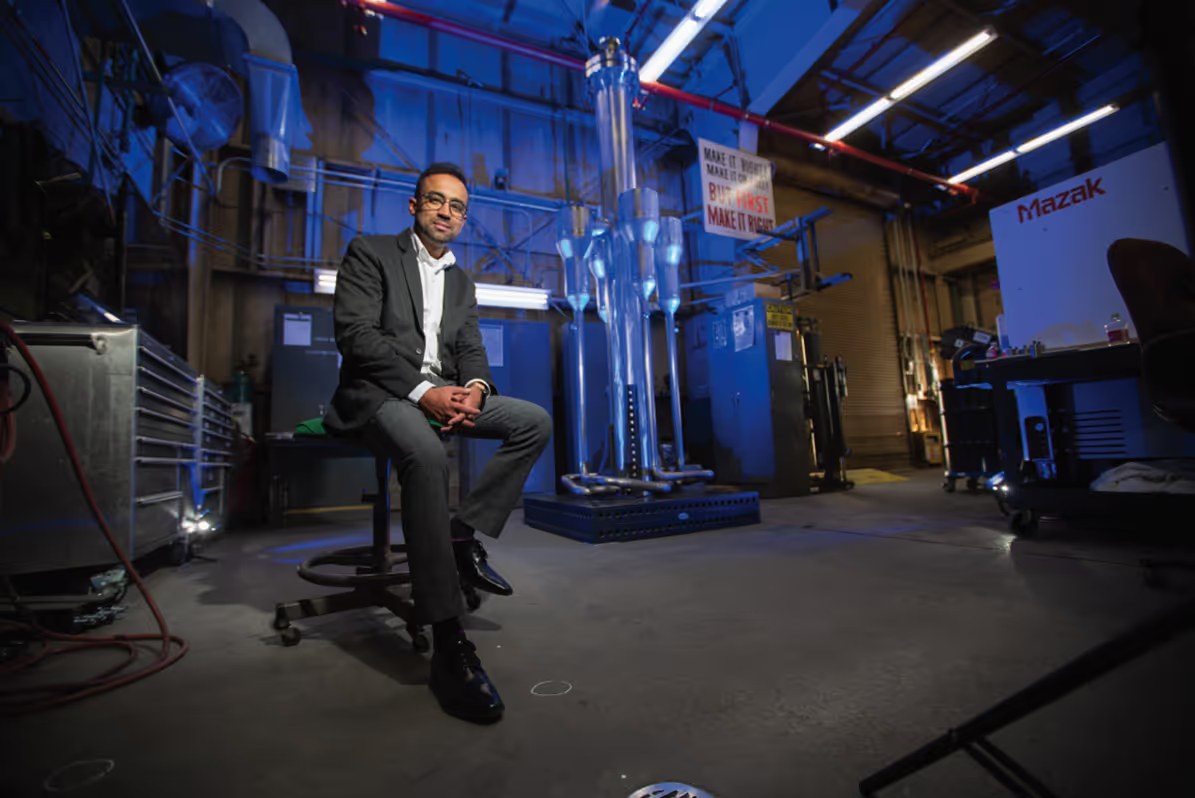
Arafat joined in October 2023 as CTO and is now the company's Co-founder and President. According to profiles published by INL and the American Nuclear Society, he grew up as a refugee in Bangladesh, and at 17 moved to Dhaka with his brother to finish high school, supporting them both by tutoring middle school students. The brothers then left for the U.S., where Arafat enrolled at La Roche University in Pittsburgh. He later transferred to the University of Pittsburgh and graduated with a chemical engineering degree in 2011. He went on to earn a master's in nuclear engineering from North Carolina State University. ExitStack reached out to Arafat for this article but was not able to hear back from him before publication, so this account draws on his published profiles and interviews.
Arafat went from an internship at Westinghouse to a research engineering role there. He spent about a decade at Westinghouse, working on the AP1000, the company's large commercial reactor design. In 2014, he and a colleague began sketching the concept that became eVinci, Westinghouse's microreactor. He joined INL in 2019 to lead MARVEL (Microreactor Applications Research Validation and Evaluation), a DOE project to build a small test reactor. Under his lead, the team took MARVEL from concept to a DOE “90% design complete” approval in about three years. Aalo has said its first prototype was inspired by MARVEL, whose design INL made publicly available. According to his Nuclear Regulatory Commission conference biography, Arafat holds 14 patents and in 2023 became the youngest recipient of the American Nuclear Society's Walter Zinn Medal.
INL's 2022 profile of Arafat links his career choice to his upbringing. “I know Bangladesh is one of the countries most affected by climate change. Every year you see land being washed away by the rising sea level. Literally, the country's footprint is shrinking with time,” he said at the time.
Aalo has raised money in four rounds over three years.
| Round | Date | Amount | Investors |
|---|---|---|---|
| Seed | April 2023 | US$6.26Mn | Led by Fifty Years |
| Series A | August 2024 | US$27Mn | Fifty Years, Valor Equity Partners, Harpoon Ventures, Crosscut, Alumni Ventures, and Nucleation Capital |
| Series B | August 2025 | US$100Mn | Led by Valor Equity Partners, with Hitachi Ventures, NRG Energy, Tishman Speyer, Fine Structure Ventures, Kindred Ventures, Crescent Enterprises’ CE-Ventures, and Gaingels |
| Series B-II | May 2026 | Undisclosed | Ontario Teachers’ Pension Plan and Climate Capital |
The three rounds with public amounts add up to about US$133Mn. Aalo states on its website that it has raised more than US$300Mn. The company has not disclosed the Series B-II amount or published a breakdown of the total.
The investor list has changed with each round. The Seed and Series A were led by climate-focused venture funds. The Series B, raised to build Aalo-X and a data center next to it at INL, brought in strategic investors from the sectors Aalo plans to sell to: NRG Energy, a power producer, and Tishman Speyer, a real estate developer. The Series B-II added a Canadian public pension fund.
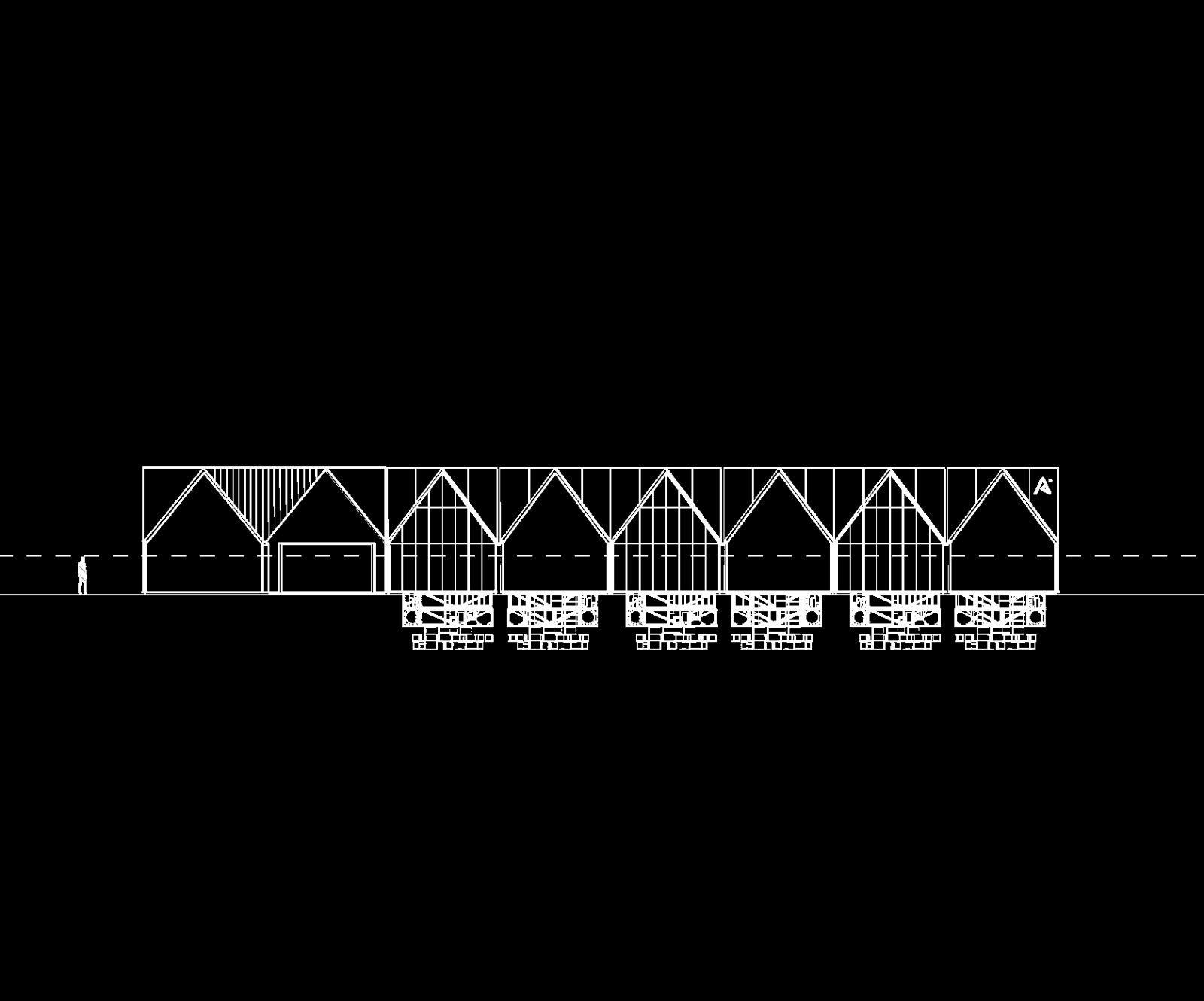
Aalo's commercial unit is the Aalo-1, a sodium-cooled, graphite-moderated microreactor designed to produce 10 megawatts of electricity (MWe). The company's main product is the Aalo Pod: five Aalo-1 reactors sharing three turbines for a total of 50 MWe. Aalo describes the Pod as an “extra modular reactor,” or XMR. It uses no external water, and the company says it can be scaled to gigawatt capacity by adding more Pods.
Aalo frames its design choices around manufacturing cost. In June 2025, Aalo switched its commercial fuel from uranium-zirconium hydride to uranium dioxide, the fuel conventional reactors have used for decades, citing its established supply chain. Loszak explained the switch in terms of the “idiot index,” the ratio of a finished component's cost to the cost of its raw materials. “The fuel that we're using has an index of two, and the fuel that a lot of our competitors—called TRISO—is using has an index of 10,” he told POWER magazine in August 2025.
Aalo builds its components in Austin. The company opened a 40,000-square-foot pilot factory there in August 2024 and says it is expanding into a one-million-square-foot facility for assembly-line reactor production. Speaking at the Nuclear Regulatory Commission's annual Regulatory Information Conference in March 2026, Arafat said the plant, called the GigaWatt Factory, is planned to come online by 2028 and to produce at least 100 reactors a year once it reaches capacity. Its reactors are designed to ship by truck as about 30 modules. Aalo reports its headcount grew from two people in 2023 to more than 200.
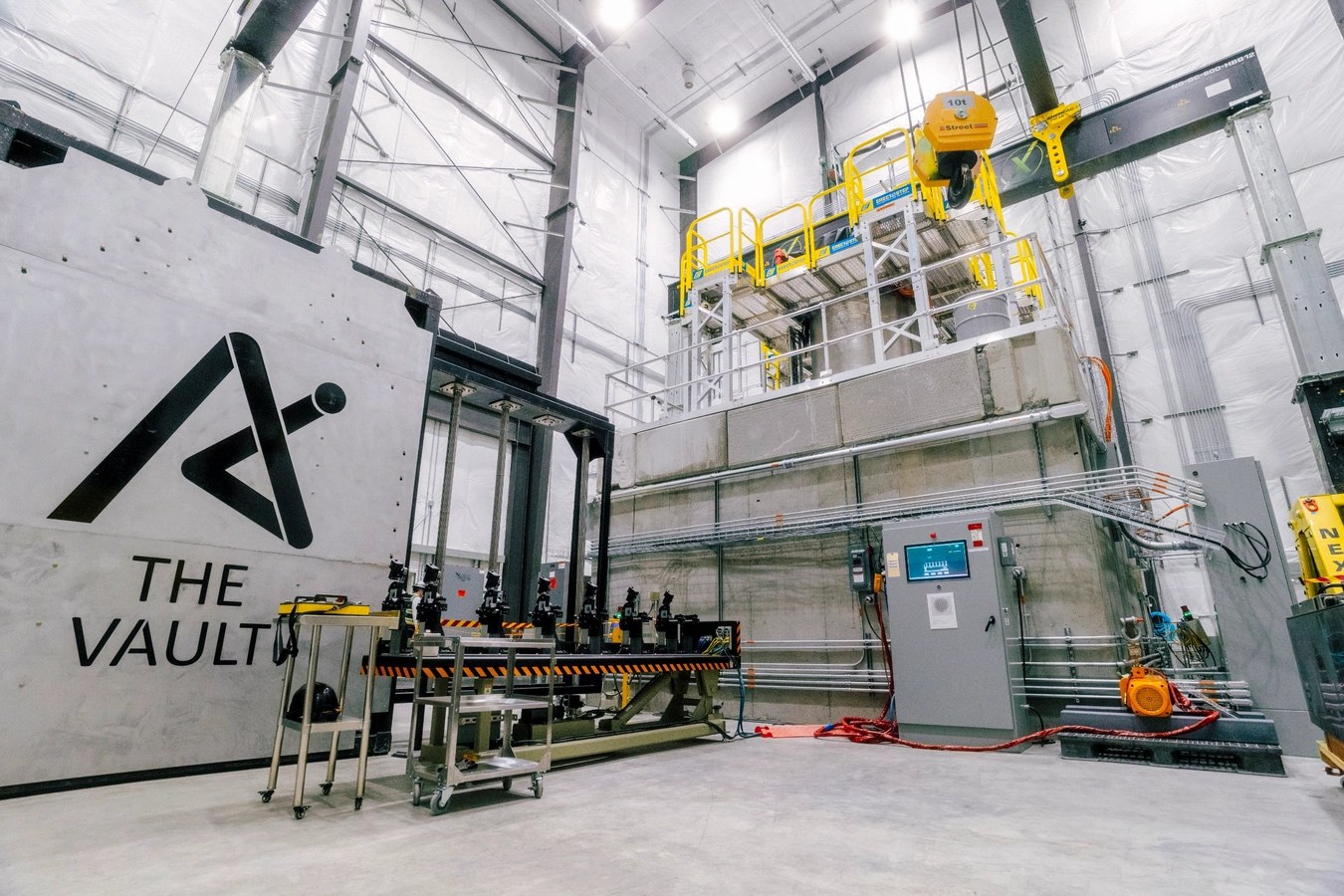
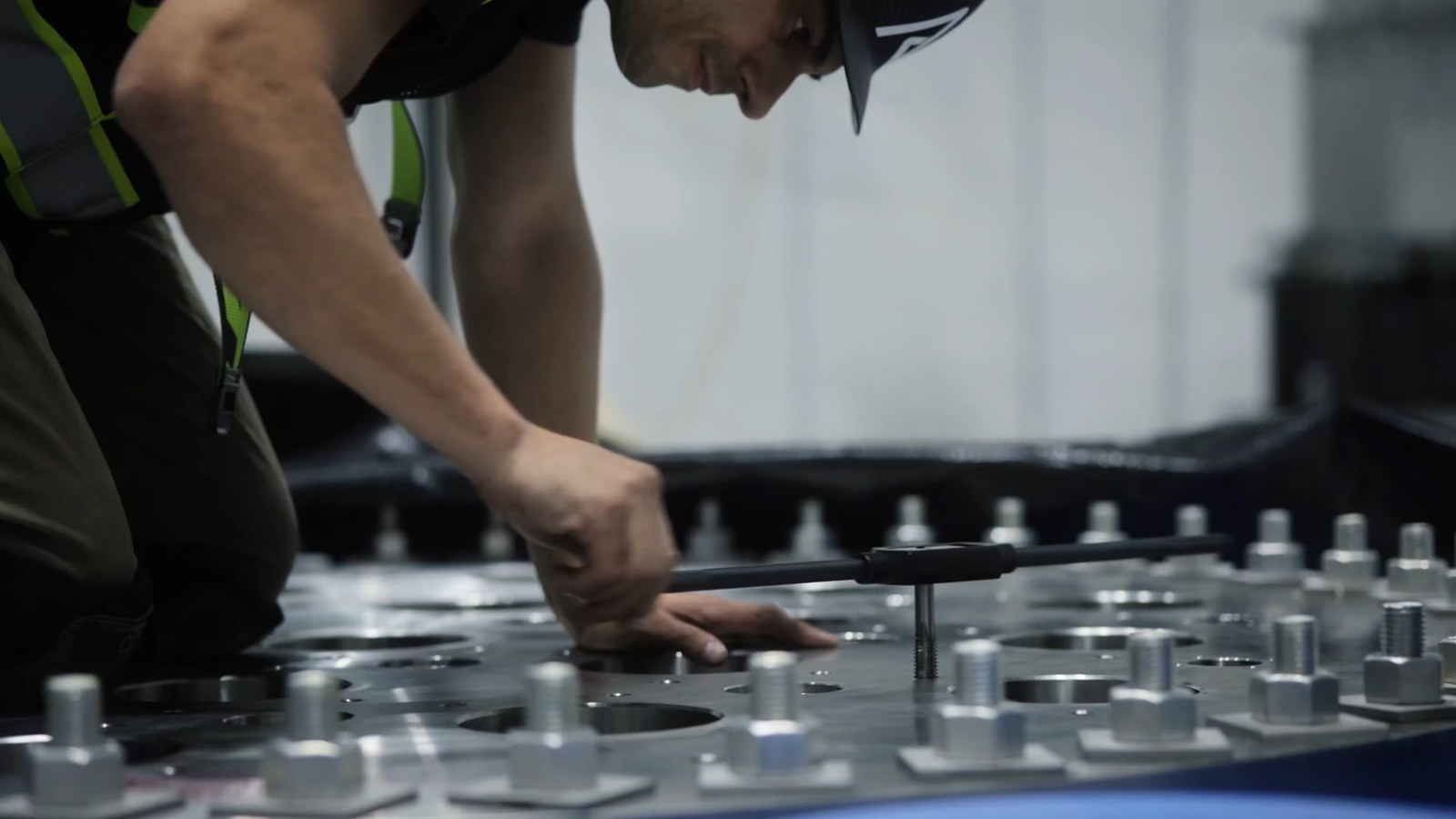
The criticality build shows how that approach works in practice. According to POWER magazine, site work on the test reactor began in January 2026. It finished the reactor building in 36 days and assembled the reactor hardware in 28 days. It loaded 540 fuel rods in two and a half days. The fuel was enriched by Urenco USA and fabricated by Global Nuclear Fuel. The core used 13 uranium dioxide assemblies enriched to about 5%. The DOE approved Aalo's preliminary safety analysis in March 2026 and its final Documented Safety Analysis, the reactor's formal safety basis, on April 30.
The market Aalo is selling into is AI computing. A December 2024 report by Lawrence Berkeley National Laboratory, published by the U.S. Department of Energy, found that data centers used 176 terawatt-hours of electricity in 2023, or 4.4% of total U.S. consumption. The report projected that share could reach 6.7% to 12% by 2028.
Operators building for that load need power around the clock, and gas turbines, grid connections, and land for solar all take time to secure. Nuclear energy offers constant output from a small site, but traditional large plants in the U.S. have taken more than a decade to build. Microreactor companies are betting that factory production can shrink that timeline to a few years.
Aalo signed a data center partnership on July 30, 2026, with Crusoe, an AI infrastructure company. Under the agreement, an Aalo reactor will power a Crusoe Spark modular data center at INL as a proof of concept in 2027. The two companies aim to deploy Aalo Pods at Crusoe data centers by the end of 2029. The proof-of-concept reactor, called Project Ascension, is being built next to the Aalo-X test reactor. The announcement sets out a partnership and stated goals, not a binding power purchase agreement. Aalo is also not Crusoe's only nuclear partner: in October 2025, Crusoe agreed to develop a nuclear-powered data center campus in Texas with Blue Energy.
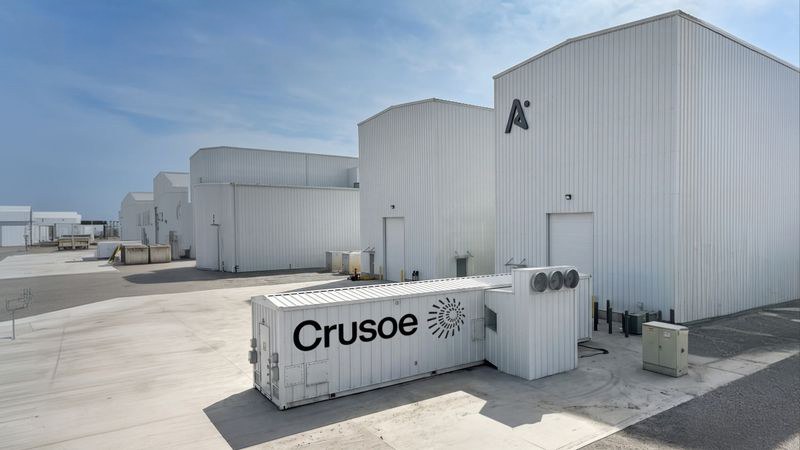
“The next generation of AI infrastructure demands power that is reliable, abundant, clean and at scale,” said Cully Cavness, Co-founder, President, and Chief Strategy Officer of Crusoe.
Other companies in the category are also raising large rounds. In the weeks after the July 4 deadline, Valar Atomics announced a US$1Bn Series B led by Sequoia Capital. Antares Nuclear closed a US$470Mn Series C, made up of US$370Mn in equity and US$100Mn in debt. Valor Equity Partners, which led Aalo's Series B, also invested in Valar.
Three questions remain open for anyone weighing Aalo: whether its reactors can generate power, whether they can be licensed for customer sites, and what that power will cost. Criticality proves that a reactor core can sustain a chain reaction. It does not prove the reactor can generate power. The Aalo-X test ran at zero power, and electricity production requires heat-transfer systems, a turbine, and commercial licensing that are still ahead of the company.
Loszak has said so himself. “We're hitting this milestone, but it's not going to be full power operation…It's just taking the fuel assembly to criticality,” he told POWER magazine in August 2025.
Kathryn Huff, former U.S. Assistant Secretary for Nuclear Energy and Chair of the Department of Nuclear Engineering and Engineering Physics at the University of Wisconsin–Madison, has made the same point about zero-power tests in general. “A zero-power-criticality test can be achieved without making real engineering progress on fuel or design,” she said on the Catalyst podcast, as quoted by MIT Technology Review in July 2026.
Licensing is the next step to watch. Reactors in the pilot program are authorized by the DOE rather than licensed by the Nuclear Regulatory Commission (NRC). Commercial units at customer sites, such as Crusoe's data centers, will need NRC licensing. At the NRC conference in March, Arafat said Aalo was preparing to submit its first commercial application to the NRC in 2026, and set a goal of 1 gigawatt of Aalo capacity online by the end of the decade. As of October 1, the NRC still listed Aalo's Idaho project as being in pre-application review. The NRC has proposed a dedicated framework for microreactors, which could shorten that process once it takes effect. On cost, the company says it aims eventually to produce electricity at US$0.03 per kilowatt-hour. It has not given a date for reaching that figure, and neither Aalo nor Crusoe has disclosed pricing for their partnership.
Aalo plans to begin sodium-only testing on its Aalo-0 prototype in fall 2026. Project Ascension is scheduled to supply electricity to an on-site data center in 2027. The company says the commercial Aalo Pod design is targeted for deployment within 18 months of criticality. Any Pod built at a customer site will first need an NRC license.
“Reaching criticality is our most significant milestone to date, as it paves the way for deployment of the Aalo Pod,” said Matt Loszak, Co-founder and CEO of Aalo Atomics.
Related on ExitStack
.png)




.jpg)



.jpg)

.png)












.jpg)
.jpg)


.jpeg)


.jpg)


.jpg)


.jpg)
.jpg)

.jpg)
.jpg)